Vietnam’s Flower-Blooming Season: Nature’s Most Colorful Journey
TRAVEL AND TOURISM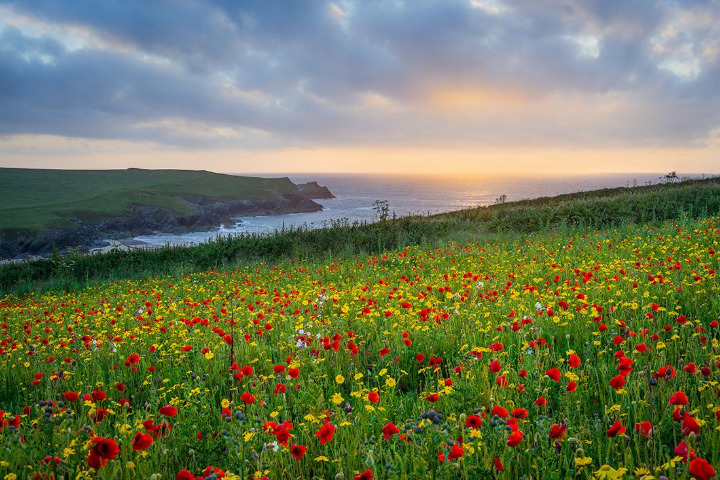
When travelers think of Vietnam, the first images that often come to mindnare its emerald rice terraces, bustling old towns, and serene beaches. Yet, onenof the country’s most magical times of year is when the flowers come intonbloom. Across valleys, highlands, and cities, nature dresses Vietnam in vibrantnshades of pink, red, yellow, and white, creating an atmosphere that feelsnalmost otherworldly.
This flower-blooming season is more than just a change in scenery—it is anseason that transforms the mood of the country and offers visitors annexperience that is both visually stunning and culturally enriching.
Vietnam’s Flower-Blooming Season: A Natural Canvas of Colors
Vietnam’s flower-blooming season is a breathtaking time when the country transforms into a vibrant canvas of colors. From the misty highlands of Sapa to the flower gardens of Da Lat and the lotus ponds of Ninh Binh, blossoms bring life, fragrance, and joy to every corner. The weather during this season is gentle, making it perfect for exploring countryside paths, flower markets, and cultural festivals. Whether it’s peach blossoms in the north, apricot flowers in the south, or wild sunflowers in the central highlands, each bloom tells a story of tradition, renewal, and beauty. For travelers, Vietnam in bloom is more than a scenic view—it’s an unforgettable experience of nature’s artistry and cultural harmony.
The Weather During BloomingnSeason
Vietnam’s blooming seasons vary depending on the region, but generally fallnbetween late winter and early spring, with some continuing into summer.
- Northernn Vietnam (Hanoi, Sapa, Moc Chau): The cool, crisp air from December ton March provides the perfect environment for peach blossoms, plum flowers,n and mustard blooms. Morning mist and clear afternoons create an enchantingn contrast, especially in the highlands.
- Centraln Vietnam (Hue, Da Nang, Hoi An): The weather here is milder during spring,n with occasional showers that nourish the vibrant fields of chrysanthemums,n marigolds, and bougainvillea. The golden sunlight of late afternoon adds an magical glow to these blooms.
- Southernn Vietnam (Ho Chi Minh City, Mekong Delta): In the south, blooming coincidesn with the dry season, from December to April. The warmth highlights burstsn of brilliant yellow apricot blossoms and flamboyant flowers, especiallyn around the time of the Lunar New Year.
This variation ensures that no matter where travelers find themselves, thenweather complements the experience, creating different moods across thencountry.
The Beauty of Vietnam’snBlossoms
The landscapes of Vietnam are stunning year-round, but during bloomingnseason, they transform into living paintings.
- Peachn and Plum Blossoms: In the northern highlands, hillsides glow with delicaten pink and white flowers. Villages like Moc Chau and Sapa become dreamlike,n with blossoms framing traditional wooden homes.
- Apricotn Blossoms: In the south, these bright yellow flowers are a symbol ofn prosperity and joy, particularly during Tet (Lunar New Year). Streets andn gardens come alive with color, filling the air with a festive energy.
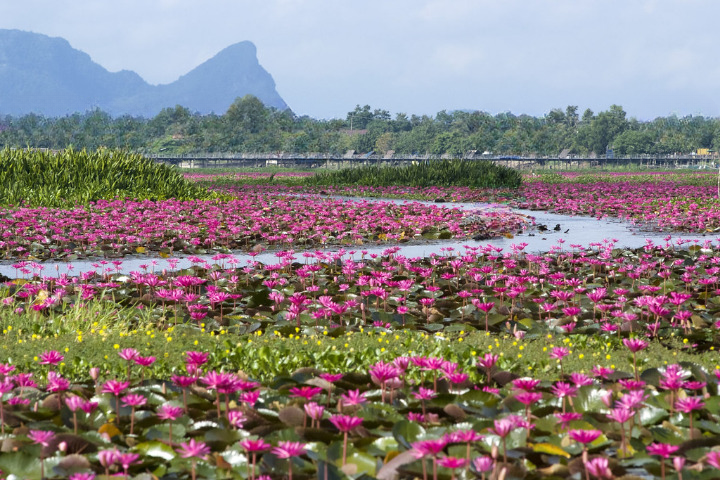
- Lotusn Flowers: From late spring into summer, Vietnam’s national flower opens itsn petals across ponds and lakes. The lotus fields of Ninh Binh and then Mekong Delta provide a breathtaking sight, symbolizing purity andn resilience.
- Wildn Sunflowers: In regions like Da Lat, fields of golden sunflowers createn carpets of sunshine, glowing beneath the cool mountain skies.
Each bloom carries its own story and significance, making the experience notnjust about beauty, but also about connection to the culture and traditions ofnVietnam.
Where to Experience the BestnBlossoms
1. Hanoi’s Old Quarter and Surroundings
During early spring, streets are lined with peach blossoms sold at markets.nWandering through the Old Quarter feels like stepping into a festive painting,nwith bursts of pink and yellow against the backdrop of ancient architecture.
2. Sapa and Moc Chau Plateau
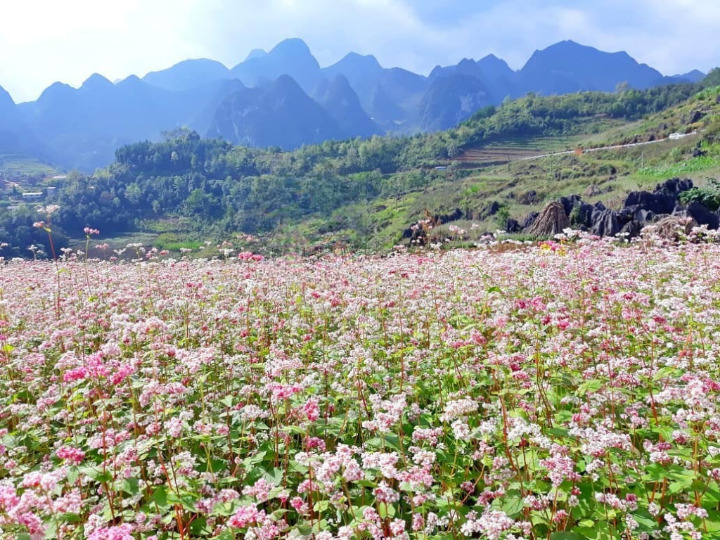
The cool climate of northern highlands makes this region famous for itsnpeach, plum, and mustard flowers. Terraced fields filled with golden mustardnblooms stretch into the horizon, while misty mornings add an ethereal glow.
3. Hue and Hoi An
In central Vietnam, the fragrance of bougainvillea and chrysanthemums fillsnthe air. The ancient town of Hoi An becomes even more picturesque with itsnlantern-lit nights surrounded by blossoms.
4. Da Lat – The City of Flowers
Known as Vietnam’s flower capital, Da Lat is home to endless gardens,nsunflower fields, and hydrangea valleys. Every January, the Flower Festivalnhere draws visitors from across the world.
5. The Mekong Delta
The floating markets and villages are surrounded by flower gardens thatnbloom during spring. Orchids, marigolds, and apricot blossoms decorate thenwaterways, adding vibrant colors to the peaceful countryside.
Cultural Significance ofnBlooming Season
Flowers in Vietnam are not only admired for their beauty but also deeplynwoven into the cultural fabric of the country.
- Symboln of Renewal: Blossoms mark the start of a new year, symbolizing hope andn fresh beginnings.
- Festiven Spirit: During Tet, flowers are displayed in homes and public spaces as an way to welcome prosperity and happiness.
- Localn Livelihoods: Many families cultivate flowers as a source of income, andn visiting flower villages allows travelers to see this tradition up close.
For locals, the blooming season is as much about spiritual meaning as it isnabout nature’s beauty.
Photography Heaven
For travelers with a love for photography, Vietnam’s flower-blooming seasonnoffers endless inspiration. The soft petals, shifting sunlight, and mistynbackdrops create natural compositions that require little effort to capturenbeautifully. From wide landscapes of lotus ponds to close-up shots ofndew-kissed blossoms, every frame tells a story of life, color, and renewal.
The Atmosphere for Tourists
Beyond the visuals, the atmosphere during blooming season feels different.nStreets and fields are filled with families buying flowers, children runningnaround in traditional costumes, and markets buzzing with energy. Travelersnoften find themselves swept into this lively yet serene rhythm.
Sitting at a roadside café in Hanoi surrounded by peach blossoms, or cyclingnpast sunflower fields in Da Lat, one can truly feel Vietnam’s blend of naturalnbeauty and cultural warmth.
Activities to Enjoy DuringnBlooming Season
- Cyclingn through the countryside – ride along flower-lined paths.
- Visitingn flower markets – see the variety of blossoms sold before Tet.
- Photographyn tours – explore hidden villages where blossoms cover every corner.
- Boatn rides in the Mekong Delta – float past flower gardens along the canals.
- Picnicsn in sunflower fields – enjoy the fresh air and scenic landscapes.
These activities allow tourists to not just observe, but to fully immersenthemselves in the season.
Practical Tips for Travelers
- Bestn Time to Visit: January to March for northern and central blossoms;n December to April for southern blooms.
- Clothing:n Light jackets for the north’s cool mornings, breathable clothes for then south.
- Crowds:n Tet is the busiest period, but also the most festive. Arriving slightlyn before the holiday gives a chance to enjoy flowers with fewer crowds.
- Transport:n Exploring by bicycle or motorbike often gives the best access to flowern villages.
Vietnam in Bloom: A Memory That Lasts Forever
The flower-blooming season in Vietnam is not just about witnessing naturalnbeauty—it is about feeling the rhythm of life in harmony with the seasons. Fromnmisty highlands blanketed in blossoms to lotus ponds glowing under the sun, thencountry transforms into a stage where nature plays its most colorful symphony.
For travelers, this season is an invitation to slow down, breathe in thenfragrant air, and let the colors of Vietnam leave an imprint on the heart.

Comments
No comments yet. Be the first to share your thoughts!