Vietnam in Winter: A Journey Through Festivals, Foods, and Landscapes
FOOD
Vietnam is a country that enchants travelers throughout the year, but thenwinter season adds a unique flavor to its beauty. Stretching across diversenlandscapes, Vietnam offers a variety of climates that make the winter months anparticularly fascinating time to explore. From the misty mountains in the northnto the mild coastal regions and warm southern cities, winter provides travelersnwith a perfect balance of comfort and adventure.
In this blog, let’s dive into the charm ofnVietnam’s winter season — when it occurs, why it is such a great time to visit,nand what experiences await those who embark on a journey during these months.
Vietnam’s Winter Season: A Perfect Time to Explore
Vietnam in winter is a season full of charm, diversity, and unforgettable experiences. Stretching from November to February, the country reveals a unique atmosphere that blends misty mountains, lively festivals, cozy street food, and warm southern beaches. In the north, cool breezes transform Hanoi and Sapa into dreamy escapes, where hot soups and foggy landscapes create a romantic mood. Central Vietnam offers gentle weather, ideal for exploring cultural treasures like Hue and lantern-lit Hoi An. Meanwhile, the south shines with sunny beaches in Phu Quoc and vibrant energy in Ho Chi Minh City. Whether you love adventure, culture, or relaxation, Vietnam’s winter season combines them all, making it the perfect time for a memorable journey.
When Does Winter Happen innVietnam?
Winter in Vietnam generally falls between November and February, with the seasonnbeing most noticeable in the northern regions. Hanoi, Sapa, Ha Giang, and othernareas in the north experience cool to cold temperatures, often ranging fromn10°C to 20°C, with some mountain areas dipping even lower. In contrast, thencentral coast sees mild weather, while the south remains pleasantly warm, withntemperatures around 25°C to 30°C.
This diversity in climate allows travelers tondesign itineraries that balance cozy winter vibes with sunny escapes. You cannbe wrapped in a scarf in Hanoi’s Old Quarter in the morning and then, within anday’s journey, find yourself basking in the sunshine along the Mekong Delta.
Why Winter Is the PerfectnTime to Visit Vietnam
1. nComfortablenClimate – Unlike the hot summer or the rainy season, winter offersncooler and more stable weather. It’s perfect for walking tours, culturalnexplorations, and outdoor adventures without worrying about heat or humidity.
2. nSeasonalnFestivals – Winter overlaps with many cultural celebrations, includingnpreparations for the Lunar New Year, when cities and villages are adorned withncolorful decorations and festive markets.
3. nScenic Landscapesn– The mist that blankets the northern mountains creates a fairytale-likenatmosphere, while the central and southern regions showcase lush greenery andngolden sunsets.
4. nCrowd Balancen– While popular destinations still attract visitors, winter often feels lessncrowded compared to peak summer holidays, making it easier to enjoy peacefulntravel experiences.
The Beauty of NorthernnVietnam in Winter
Northern Vietnam is where the essence ofnwinter is most strongly felt. Hanoi,nwith its cool breezes, becomes even more charming as locals sip hot tea ornenjoy steaming bowls of pho by the roadside. Street vendors selling roastednchestnuts and grilled sweet potatoes add a nostalgic, cozy feeling to thencity’s atmosphere.
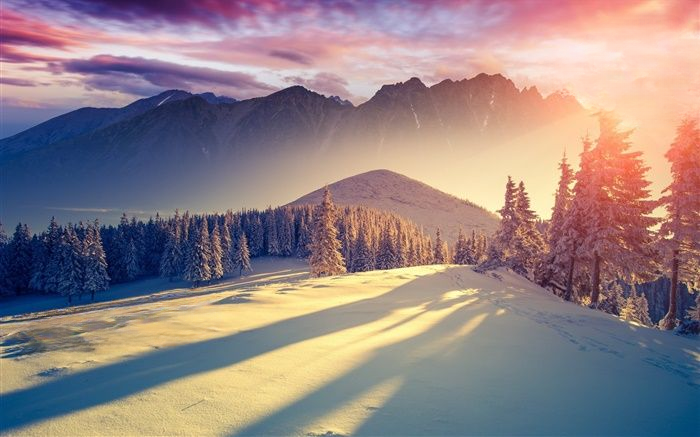
Traveling further north, Sapa and Ha Giang reveal breathtaking landscapes covered in mist.nThe terraced rice fields, although harvested, present a golden-brown patchworknthat looks stunning against the backdrop of foggy mountains. In some years,nSapa even experiences snowfall, offering a rare Southeast Asian winternwonderland.
For those who love cultural experiences,nvisiting ethnic minority villages during winter provides a chance to see localntraditions in a peaceful, authentic setting. Travelers can enjoy warm firesidenmeals and learn about the seasonal customs of mountain communities.
Central Vietnam’s GentlenWinter Charm
The central region, including cities like Hue, Da Nang, and HoinAn, experiences a milder winter. The weather here is cooler than innsummer but rarely drops to uncomfortable levels. This makes it a perfect timento explore historical sites, ancient citadels, and coastal towns without thenscorching heat.
Hoi An, with its lantern-lit streets, feelsnmagical during winter evenings. The cooler air makes riverside strollsnespecially pleasant, and the old town glows warmly against the crisp nights.nHue’s imperial history and Da Nang’s beaches offer a mix of culture andnrelaxation, all under the calm of winter skies.
Southern Vietnam: Sunshinenin Winter
While the north and center cool down, thensouth maintains a warm and tropical climate. Ho Chi Minh City, the Mekong Delta, and Phu Quoc Islandnare excellent winter destinations for travelers who prefer sunny days.
This balance means travelers can enjoy anunique experience: cozying up in a misty mountain village one week, andnunwinding on a golden beach the next. In the south, winter coincides with thendry season, making it ideal for river cruises, island hopping, and beachnrelaxation.
Winter Festivals andnCelebrations
One of the joys of visiting Vietnam in winternis witnessing its festive atmosphere. The lead-up to Tet (Lunar New Year) is especially vibrant. Streets comenalive with flower markets, red and gold decorations, and the buzz ofnpreparations. While Tet itself usually falls between late January and February,nthe weeks leading up to it are equally lively and worth experiencing.
Other winter festivals include local harvestncelebrations in rural areas and cultural performances that highlight Vietnam’snrich traditions. Travelers may come across lion dances, craft fairs, and nightnmarkets that showcase the spirit of the season.
Winter Foods to Warm thenSoul
Winter in Vietnam is also about seasonal comfort food. Hotpots become anfavorite choice in northern cities, bringing people together around bubblingnbroths filled with vegetables, meats, and herbs.
Street food also takes on a cozier flavor. InnHanoi, dishes like banh duc nongn(warm rice porridge with savory toppings) or che khoai mon (sweet taro dessert) are popular winterntreats. Sipping on hot ginger tea or enjoying a cup of Vietnamese egg coffeenmakes chilly mornings and evenings even more delightful.
Outdoor Adventures in thenWinter Season
Vietnam’s diverse landscapes make winter annexcellent time for outdoor exploration.
· nTrekkingnin Sapa or Ha Giang – Cooler weather is perfect for hiking without thenexhaustion of summer heat.
· nCruisingnin Ha Long Bay – The misty atmosphere creates a mystical look overnlimestone karsts.
· nExploringncaves in Phong Nha – Central Vietnam’s caves, like Son Doong andnParadise Cave, offer breathtaking adventures.
· nCycling innthe countryside – Winter allows long bike rides through ruralnlandscapes without the discomfort of extreme heat.

Beaches and Islands DuringnWinter
Though winter is cooler in the north, thensouthern coast remains beach-friendly. PhunQuoc, Nha Trang, and Mui Ne are ideal for water sports,nsunbathing, and seafood feasts. The clear skies and calm seas make thesendestinations especially inviting.
Travelers can combine cultural exploration upnnorth with a beach escape down south, making winter one of the most versatilenseasons for a Vietnam journey.
Photography in the WinternLight
For photography enthusiasts, Vietnam in winternoffers dramatic lighting and unique atmospheres. The soft winter sun in Hanoincasts golden light on the colonial buildings, while fog in the mountainsncreates mysterious, dreamlike shots. Down south, the bright skies and clearnwaters make for postcard-perfect beach photos.
Whether you are capturing lanterns in Hoi An,nlandscapes in Ha Giang, or sunsets in Phu Quoc, winter is a photographer’sndelight.
Tips for Traveling tonVietnam in Winter
· nPacknsmartly – Bring layers if visiting the north, as mornings and nightsncan be chilly. A light jacket is enough for central regions, while summernclothing works well for the south.
· nPlan anvaried itinerary – Combine cultural sites, outdoor adventures, andnbeach relaxation to experience the full range of Vietnam’s winter charms.
· nEnjoynseasonal foods – Seek out winter specialties in local markets andnstreet food stalls for an authentic taste of the season.
· nCapturenthe festivals – Don’t miss the pre-Tet atmosphere and other winterncelebrations that bring vibrancy to every town and city.
Embracing Vietnam’s WinternMagic
Vietnam’s winter season is a time ofncontrasts, beauty, and cultural richness. From misty northern mountains tonsun-drenched southern beaches, travelers can experience a wide spectrum ofnclimates and landscapes in just one trip. Add to that the festive spirit,ndelicious winter foods, and a wide variety of activities, and winter becomesnone of the most rewarding times to explore the country.
Whether you are seeking cozy evenings innHanoi, adventurous treks in Sapa, lantern-lit strolls in Hoi An, or tropicalnrelaxation in Phu Quoc, Vietnam’s winter season promises memories that willnstay with you long after the journey ends.

Comments
No comments yet. Be the first to share your thoughts!