Vietnam Cuisine Guide: Popular Dishes, Festivals, and Healthy Food Traditions
When travelers think of Vietnam, the first images that often come to mindnare lush rice paddies, vibrant cities, and long stretches of coastline. Butnbeyond its landscapes, one of Vietnam’s greatest treasures lies in its cuisine.nVietnamese food is not just about eating; it is about history, community, andnharmony. From steaming bowls of phonto crispy banh xeonpancakes, Vietnam’s culinary traditions capture the heart of its culture. Fornanyone planning a Vietnam tournor a Vietnam vacation,ndiving into local food experiences is an absolute must.
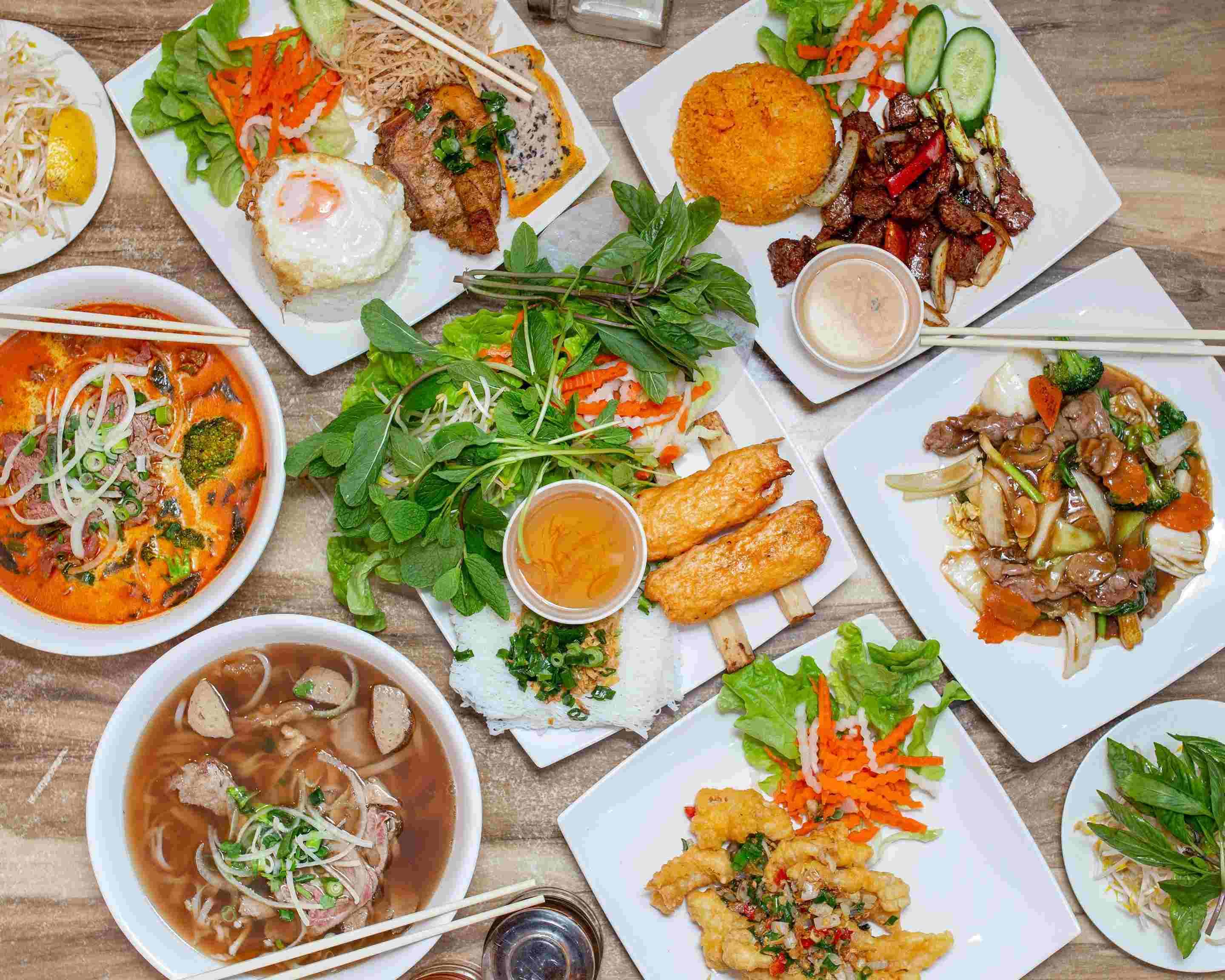
This blog explores Vietnam’s most popularndishes, its traditional roots, surprising food facts, health benefits, and thenfestive side of Vietnamese cuisine. Whether you are a passionate foodie or ancurious traveler, the flavors of Vietnam are sure to leave a lastingnimpression.
1. The Essence of VietnamesenCuisine
Vietnamese cuisine is built on balance. Eachndish is a combination of flavors and textures — salty, sweet, sour, spicy, andnumami. Herbs like mint, basil, and coriander are used generously, creatingnfreshness in every bite. Unlike heavier cuisines, Vietnamese food emphasizesnlightness, with rice, noodles, vegetables, and lean proteins forming thenfoundation.
The cuisine also reflects the geography of thencountry. In the north, dishes are simpler, often flavored with fish sauce andnminimal spices. Central Vietnam is known for bold flavors and spicy broths,nwhile the south embraces sweetness and tropical ingredients like coconut milk.nFor anyone exploring Vietnamntravel, tasting food across regions feels like experiencingnthree different culinary worlds in one country.
2. Iconic Dishes You CannotnMiss
Phon– The National Favorite
Perhaps the most famous Vietnamese dishnworldwide, pho is a noodle soup that embodies comfort. Made with flat ricennoodles, tender beef or chicken, and a clear broth simmered for hours with starnanise, cloves, and cinnamon, it is garnished with lime, chili, and fresh herbs.nEach steaming bowl tells the story of Vietnamese resilience and warmth.
BanhnMi – A Flavorful Sandwich
Banh mi is Vietnam’s gift to the world ofnstreet food. This crispy baguette, introduced during the French colonial era,nis filled with pate, pickled vegetables, fresh herbs, grilled meat, and a touchnof chili. It’s portable, affordable, and bursting with flavor, making it anfavorite among both locals and travelers.
GoinCuon – Fresh Spring Rolls
These translucent rice paper rolls are fillednwith shrimp, pork, vermicelli noodles, and herbs. Often served with peanut ornhoisin dipping sauce, they are light, refreshing, and perfect for those seekingnhealthier options while on a Vietnamnvacation.
BunnCha – Hanoi’s Signature Dish
Bun cha features grilled pork patties andnslices served with vermicelli noodles, fresh greens, and dipping sauce. Itngained international fame when U.S. President Barack Obama and chef AnthonynBourdain shared a meal of bun cha in Hanoi.
BanhnXeo – Crispy Pancakes
These golden rice flour pancakes are fillednwith pork, shrimp, bean sprouts, and herbs. Diners often wrap slices in lettucenleaves and dip them in fish sauce for an explosion of taste.
3. Traditional Roots andnCultural Significance
Vietnamese food is deeply tied to itsntraditions and farming lifestyle. Rice, often referred to as the “soul ofnVietnam,” plays a central role in nearly every meal. Rice paddies dominate thencountryside, and families use rice not only for steaming but also to creatennoodles, cakes, and even wine.
Meals in Vietnam are typically shared, withndishes placed in the center of the table for everyone to enjoy. This practicenreflects the importance of community and family bonding. Eating is not rushed;nit is an opportunity to connect, share stories, and enjoy life together.
4. Fascinating Food FactsnAbout Vietnam
· nFishnsauce (Nuoc Mam) is the backbone of Vietnamese cuisine. It isnused in almost every dish, adding depth and umami.
· nVietnam is one of the world’s largest coffeenproducers, and “ca phe sua da” (iced coffee with condensed milk) is a nationalnobsession.
· nStreet food is not just cheap but often the mostnauthentic. Many stalls have been run by the same family for generations.
· nChopsticks are the primary utensils, and it’sncustomary to offer food to others before serving yourself.
· nIn coastal areas, seafood dominates meals, whilenin the mountains, wild herbs and forest produce play a larger role.
5. Health Benefits ofnVietnamese Food
Vietnamese food is often considered one of thenhealthiest cuisines in the world. Here’s why:
· nFreshnIngredients: Meals are loaded with herbs, vegetables, and leannproteins.
· nLightnCooking Methods: Steaming, grilling, and boiling are common,nreducing excess oil.
· nBalancednNutrition: The mix of rice, vegetables, and proteins ensuresnbalanced meals.
· nFermentednFoods: Dishes like pickled vegetables aid digestion and gutnhealth.
· nPortionnSizes: Meals are smaller compared to Western standards,npromoting moderation.
For travelers on a Vietnam tour, eatingnlocal food can be both satisfying and nourishing.
6. Vietnamese Food Festivals
Vietnam’s food culture is celebrated throughnvibrant festivals that highlight its diversity:
· nTetn(Lunar New Year): The most important holiday, where familiesnprepare dishes like sticky rice cakes (banh chung) and pickled vegetables.
· nMid-AutumnnFestival: Celebrated with mooncakes, fruits, and familyngatherings.
· nHuenFestival: A cultural event in central Vietnam that includesntraditional royal dishes and local specialties.
· nLocalnFood Markets: Cities like Hanoi and Ho Chi Minh City host nightnmarkets where food stalls become mini-festivals every evening.
Participating in these festivals during your Vietnam travel adds a uniquencultural layer to the culinary adventure.
7. Regional SpecialtiesnWorth Exploring
· nNorthnVietnam: Simple yet hearty flavors, with dishes like pho, bunnrieu (crab noodle soup), and grilled meats.
· nCentralnVietnam: Known for spicier dishes like bun bo Hue (beef noodlensoup) and colorful, small-sized portions.
· nSouthnVietnam: Sweet, coconut-infused flavors with dishes like huntieu (noodle soup) and banh khot (mini pancakes).
Each region offers a unique taste of Vietnamesenidentity, making food exploration a highlight of any Vietnam vacation.
8. Street Food Culture
Street food is the beating heart of Vietnamesencuisine. Small plastic stools, open-air stalls, and sizzling pans define thenatmosphere. Whether it’s slurping noodles at sunrise or grabbing a banh mi atnmidnight, street food is a way of life. For travelers, this is the mostnauthentic and affordable way to experience Vietnamese flavors.
9. Drinks and Desserts
Vietnamese cuisine is not just about savoryndishes. Desserts and drinks also play a role in the food journey:
· nChe:nA sweet dessert soup made with beans, fruits, and coconut milk.
· nCanPhe Trung (Egg Coffee): A Hanoi specialty made with whipped eggnyolks and strong coffee.
· nFreshnTropical Fruits: Mango, dragon fruit, and lychee are oftennserved fresh or in juices.
10. Why Food Is the Heart ofnVietnam Travel
Food in Vietnam is more than nourishment — itnis storytelling. Each bowl of pho represents generations of care, each banh minbite tells of cultural fusion, and each food festival reflects communitynspirit. For anyone applying for a VietnamneVisa and planning their journey, exploring local dishes shouldnbe at the top of the itinerary.
A Vietnamntour without its food is incomplete, because cuisine here isnnot an afterthought — it is the very essence of daily life.
A Culinary Invitation to Every Traveler
Vietnamese food is an invitation — to taste, tonshare, and to connect. From iconic dishes like pho and banh mi to colorfulnfestivals and health-packed meals, the country’s cuisine reflects balance,nfreshness, and community. Whether wandering through street markets or enjoyingnfamily meals, travelers on a Vietnamnvacation will discover that food is not just part of the trip;nit is the heart of the experience.

Comments
No comments yet. Be the first to share your thoughts!