Hue, A Hidden Treasure of Vietnam’s Imperial Heart
UNCATEGORIZED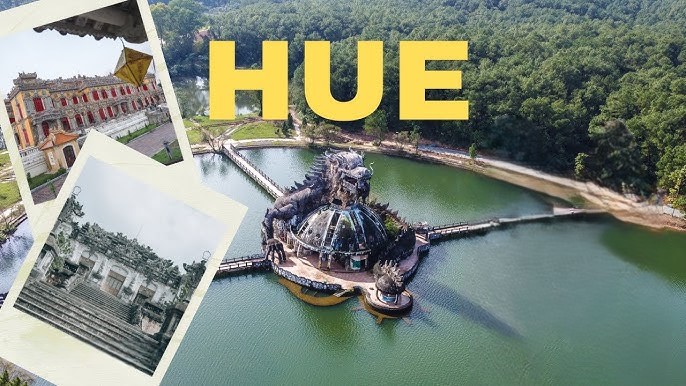
Nestled along the serene banks of the Perfume River,nHue is a city that resonates with history, culture, and timeless beauty. Knownnas the imperial capital of Vietnam during the Nguyen Dynasty, Hue offersntravelers a rare glimpse into the country’s royal past, combined with a vibrantnpresent that’s waiting to be explored. From majestic palaces and ancient tombsnto bustling markets and riverfront life, Hue is a city that enchants everynvisitor who walks its streets.
The Imperial Heart of Vietnam
Hue’s most famous attraction is undoubtedly the ImperialnCity, a sprawling complex of palaces, temples, walls, and gates that oncenserved as the political and cultural center of the Nguyen Dynasty. This UNESCOnWorld Heritage Site is often called a “miniature city within a city,” and it’sneasy to see why.
Walking through the Imperial City, you can almost feel thenechoes of history. The Ngo Mon Gate, with its grand architecture andnintricate carvings, is the perfect entry point to a world of royal opulence.nInside, the Thai Hoa Palace—the Hall of Supreme Harmony—once hostednceremonies, royal audiences, and celebrations. The palace interiors, thoughnpartially restored, still exude an aura of elegance and grandeur.
For history enthusiasts, a visit to the Forbidden PurplenCity is a must. Though largely destroyed during conflicts, the remnants ofnthis royal sanctuary tell stories of court intrigue, dynastic rituals, and theneveryday life of emperors and their families. Exploring the Forbidden PurplenCity is like stepping into a historical novel, where each gate, hall, andncourtyard holds secrets of the past.
Imperial Tombs: A Journey Through Time
Hue is also famous for its royal tombs, which linenthe banks of the Perfume River and nearby hills. These tombs are not justnburial sites—they are architectural masterpieces that reflect the personalitynand legacy of the emperors they commemorate.
Tomb of Minh Mang is a harmonious blend ofnarchitecture and nature, with tranquil gardens, lakes, and pavilions thatnreflect Confucian principles of balance and order. The Tomb of Khai Dinh,nin contrast, is a fascinating fusion of Eastern and Western styles, featuringnelaborate mosaics, intricate statues, and a striking, almost theatrical design.nMeanwhile, Tomb of Tu Duc offers a peaceful retreat, with a lakesidenpavilion and serene atmosphere perfect for reflection.
Visiting these tombs provides insight into Vietnam’s royalnhistory and a chance to appreciate the artistry, symbolism, and spiritualitynthat shaped the Nguyen Dynasty. Each tomb has its own story, and exploring themnis a journey through time and tradition.
The Perfume River and Scenic Cruises
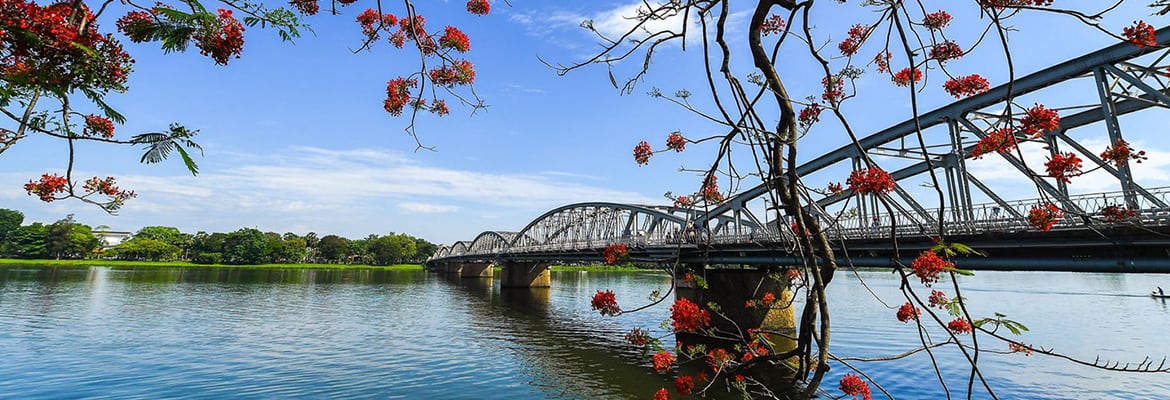
The Perfume River (Sông Hương) flows gracefullynthrough Hue, giving the city its poetic name and serene ambiance. A riverncruise is one of the best ways to experience Hue, especially during sunset whennthe sky reflects in the calm waters. Traditional dragon boats and modernnvessels alike offer scenic tours that pass by historical landmarks, floatingnmarkets, and riverside villages.
Even a short boat ride on the Perfume River provides anunique perspective of the city. You can watch local fishermen at work, seentemples reflected on the water, and feel a sense of calm that is hard to findnin bustling urban centers. For photographers, the Perfume River offers endlessnopportunities to capture Hue’s beauty from dawn to dusk.
Hue’s Rich Cultural Traditions
Hue is not only a city of history; it’s also a city ofnculture. The city has preserved traditional Vietnamese arts, music, and craftsnin a way that few other places can. Nhã nhạc, the royal court music ofnHue, is a UNESCO-recognized art form that dates back to the Nguyen Dynasty.nListening to live performances of this elegant, melodic music—often accompaniednby traditional instruments—provides an immersive experience into Vietnam’sncultural heritage.
Traditional crafts are another highlight. From conicalnhats (nón lá) to handmade lanterns and intricate embroidery, localnartisans keep centuries-old skills alive. Visiting workshops allows travelersnto see the meticulous craftsmanship involved and even try their hand atncreating their own pieces. These experiences offer a personal connection tonHue’s cultural identity that goes beyond sightseeing.
The Flavors of Hue
No exploration of Hue is complete without indulging in its distinctivencuisine. Hue was the imperial capital, and its culinary traditions reflectnthe sophistication and refinement of the royal court.
Bún bò Huế, a spicy beef noodle soup, is the city’snsignature dish. Unlike other Vietnamese noodle soups, it features a uniquenbalance of lemongrass, chili, and rich broth that warms the soul. Anothernmust-try is cơm hến, a humble yet flavorful dish made from baby clams,nrice, and aromatic herbs.
Street food in Hue is abundant and inviting. Travelers cannsample bánh bèo (steamed rice cakes topped with shrimp and scallions), bánhnnậm (flat rice dumplings wrapped in banana leaves), and chè (sweetndesserts) from bustling local markets. Dining in Hue is more than a meal—it’s anjourney through flavors that have been perfected over centuries.
Exploring Hue’s Surroundings
Hue’s charm extends beyond the city limits. A short driventakes you to the Hai Van Pass, one of the most scenic coastal routes innVietnam. The winding road along the mountains offers panoramic views of thensea, making it a favorite for motorbike enthusiasts and photographers.
Nearby Thien Mu Pagoda, overlooking the PerfumenRiver, is another must-visit site. With its iconic seven-story tower and serenengardens, the pagoda is both a spiritual center and a symbol of Hue. Visitorsncan explore the pagoda grounds, learn about Buddhist traditions, and enjoy thenpeaceful atmosphere.
For nature lovers, the Bach Ma National Park isnwithin reach, offering lush forests, waterfalls, and hiking trails. The park isna refreshing escape from the city, providing opportunities to connect withnVietnam’s natural beauty while spotting exotic flora and fauna.
Festivals and Local Life
Hue’s cultural vibrancy is highlighted during its festivals.nThe Hue Festival, held every two years, showcases traditional music,ndance, theater, and craft performances. Streets come alive with parades,ncolorful costumes, and cultural exhibitions, giving travelers a chance tonimmerse themselves in the city’s living heritage.
Daily life in Hue is equally fascinating. Observing localsnat the riverside markets, cycling along quiet lanes, or sipping tea in anriverside café provides insight into the rhythms of a city where history andnmodernity coexist. Hue moves at a slower pace than Vietnam’s major cities,ninviting visitors to slow down and soak in its timeless charm.
Practical Tips for Travelers
- Bestn Time to Visit: The months from February to April are ideal,n with mild weather and clear skies. Avoid the rainy season between Septembern and November, as heavy rains can disrupt travel plans.
- Gettingn Around: Hue is compact, and cycling or walking is an excellent way ton explore. Motorbikes are also popular for reaching nearby attractions liken Hai Van Pass or Bach Ma National Park.
- Localn Etiquette: When visiting temples or pagodas, dress modestly and shown respect for religious practices. Always ask before taking photos ofn locals, especially in smaller villages.
- Accommodationn Options: Hue offers a range of accommodations, from riverside boutiquen hotels to budget-friendly hostels. Staying near the Perfume River providesn easy access to major attractions and scenic views.
Why Hue Captivates Travelers
Hue is a city that appeals to all senses. Its historicalngrandeur, serene landscapes, flavorful cuisine, and cultural richness combinento create an experience that lingers long after you leave. Unlike cities thatnfeel hurried or commercialized, Hue encourages reflection, exploration, andnappreciation of the finer details in life.
Travelers often remark on the sense of timelessnessnthat pervades the city. Wandering through the Imperial City, listening to courtnmusic, enjoying a riverside meal, or simply watching the sunset over thenPerfume River—each moment feels both personal and profound. Hue is not just anplace to see; it’s a place to feel, to savor, and to remember.
For those who seek history, culture, adventure, and culinaryndelights, Hue is a destination that promises all of this and more. It’s a citynwhere every street, every temple, and every meal tells a story—a story ofnemperors and artisans, rivers and mountains, and the enduring spirit of Vietnamnitself.
Hue invites you not just to visit, but to experience, tonpause, and to discover the timeless beauty of a city that has witnessedncenturies of history yet continues to inspire all who wander through itsnenchanting streets.

Comments
No comments yet. Be the first to share your thoughts!