Hoi An , A Timeless Journey Through Vietnam’s Ancient Charm
UNCATEGORIZED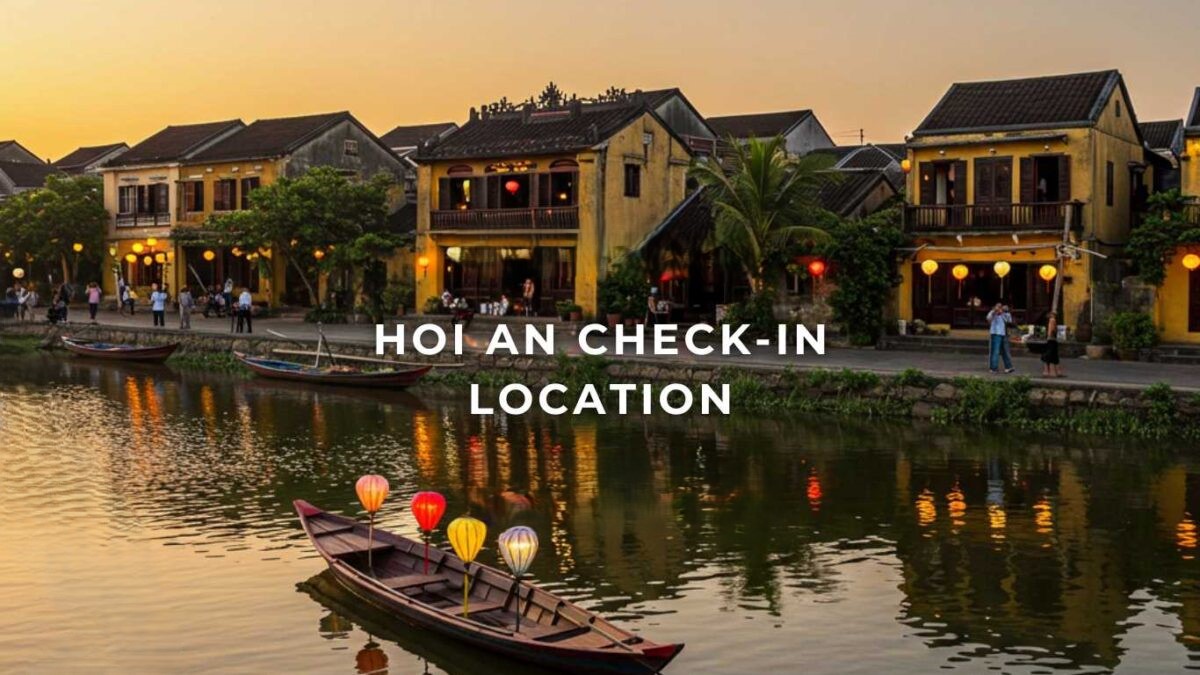
Nestled along the central coast of Vietnam, Hoi An isna city that seems to exist in a world of its own. With lantern-lit streets,ncenturies-old architecture, and a captivating mix of cultures, Hoi An is notnjust a destination—it’s an experience. For travelers seeking history, culture,nor simply the charm of a slower pace of life, Hoi An delivers in every sense.
The Enchanting Old Town
The heart of Hoi An is its Ancient Town, a UNESCOnWorld Heritage Site that has retained its historic charm remarkably well.nWandering through its narrow lanes feels like stepping back in time.nTraditional wooden houses with intricate carvings line the streets,ninterspersed with old merchant homes and French colonial buildings, showcasingncenturies of cultural exchange.
One of the city’s most striking features is its lanterns.nWhen the sun sets, thousands of colorful lanterns light up the streets,ncreating a magical, almost fairytale-like atmosphere. Locals and visitors alikenparticipate in the tradition of releasing lanterns on the Thu Bon River,nwhere they drift gently downstream, carrying wishes and dreams.
A Blend of Cultures
Hoi An’s charm isn’t just in its appearance; it’s in thenstory it tells. From the 15th century onward, the town was a bustlingntrading port, welcoming merchants from China, Japan, Portugal, and beyond. Thisnhistory is still evident today in the city’s architecture and culturalntraditions.
The Japanese Covered Bridge is one of Hoi An’s mostniconic landmarks. Built in the 1590s, it symbolizes the town’s historicalnconnection with Japanese traders. Meanwhile, the Chinese assembly hallsnand old temples scattered across town showcase the rich cultural tapestry thatndefines Hoi An. Walking these streets, you can almost imagine the bustlingntrade and lively interactions of centuries past.
Culinary Delights of Hoi An
Hoi An is a paradise for food lovers. The city offers anblend of traditional Vietnamese flavors with local specialties that are uniquento the region. Cao Lau, a noodle dish with succulent pork and freshnherbs, is a must-try, as is white rose dumplings, delicate shrimp-fillednpastries that reflect the city’s culinary artistry.
Strolling through Hoi An Market, you’ll encounternfresh produce, local spices, and street food stalls serving everything fromnbánh mì to crispy pancakes. The city also has an emerging coffee culture, withnquaint cafes overlooking the river—perfect for sipping a cup of Vietnamesenegg coffee while watching the lanterns float by.
Cooking classes are another fantastic way to immersenyourself in Hoi An’s culinary culture. Many local families and schools offernhands-on experiences where travelers learn to prepare traditional dishes usingnfresh, local ingredients. It’s a delicious way to take a piece of Hoi An homenwith you.
The Magic of the River
The Thu Bon River is more than just a scenicnbackdrop—it’s the lifeblood of Hoi An. Boat rides along the river offer andifferent perspective of the city, with historic houses, floating lanterns, andnriverside cafes creating a postcard-perfect view. Evening river cruises arenespecially popular, as the city transforms into a luminous wonderland of lightsnreflecting on the water.
For those seeking tranquility, early morning is the perfectntime to experience the river. The soft light, the gentle flow of water, and thenquiet activity of locals starting their day create a serene and reflectivenatmosphere.
Tailor-Made Experiences
One of the joys of Hoi An is the sense of personalization itnoffers. The city is famous for its tailors, where visitors can havencustom clothing made in just a day or two. From elegant suits to traditional áondài dresses, the craftsmanship is exceptional. Choosing fabrics, fittings, andndesigns allows travelers to create a one-of-a-kind souvenir that is bothnstylish and memorable.
Art lovers will also appreciate Hoi An’s galleries and craftnshops. From hand-painted lanterns to intricate wood carvings, the city is a hubnof creativity. Participating in workshops, such as lantern-making or pottery,nprovides an interactive way to connect with local culture while taking home anmeaningful keepsake.
Beaches and Beyond
While Hoi An is celebrated for its history and culture, it’snalso just a short distance from some of Vietnam’s most beautiful beaches. AnnBang Beach and Cua Dai Beach offer soft sand, clear waters, and anrelaxed vibe—perfect for a day of sunbathing, swimming, or simply enjoying anfresh seafood meal by the shore.
Cycling through the surrounding countryside is anothernunforgettable experience. The flat terrain, lush rice paddies, and windingnvillage paths make it easy to explore at your own pace. Along the way, you’llnencounter traditional farming communities, ancient temples, and the naturalnbeauty that defines central Vietnam.
Festivals and Local Traditions
Hoi An’s cultural vibrancy shines during its full moonnlantern festival, held every month. During the festival, the city turns offnits electric lights, and lanterns float on the river and hang from everynbuilding. Traditional music, dance, and street performances fill the air,ncreating a festive atmosphere that connects locals and travelers alike.
Other local traditions, such as Tet (Vietnamese New Year)nand mid-autumn celebrations, add layers to Hoi An’s rich cultural experience.nParticipating in these events provides insight into the city’s deep-rootedncustoms and offers a chance to celebrate alongside the community.
A City That Captures the Heart
What makes Hoi An truly special is its balance of history,nculture, and natural beauty. It’s a city where every street has a story, everynmeal is a culinary journey, and every sunset feels like a personal gift.nTravelers often leave with more than souvenirs—they carry memories ofnlantern-lit nights, river reflections, and the warmth of a city that hasnwelcomed visitors for centuries.
Whether you’re wandering the lantern-filled streets, cyclingnthrough the countryside, savoring local delicacies, or watching the Thu BonnRiver sparkle under the moonlight, Hoi An leaves an indelible mark. It’s notnjust a destination—it’s an invitation to slow down, savor life, and immersenyourself in a place where the past and present coexist beautifully.
In Hoi An, every moment feels timeless, and every experiencenis a story waiting to be told.

Comments
No comments yet. Be the first to share your thoughts!