A Symphony of Hills and Harvests: Exploring Vietnam s Northern Highlands
TRAVEL AND TOURISM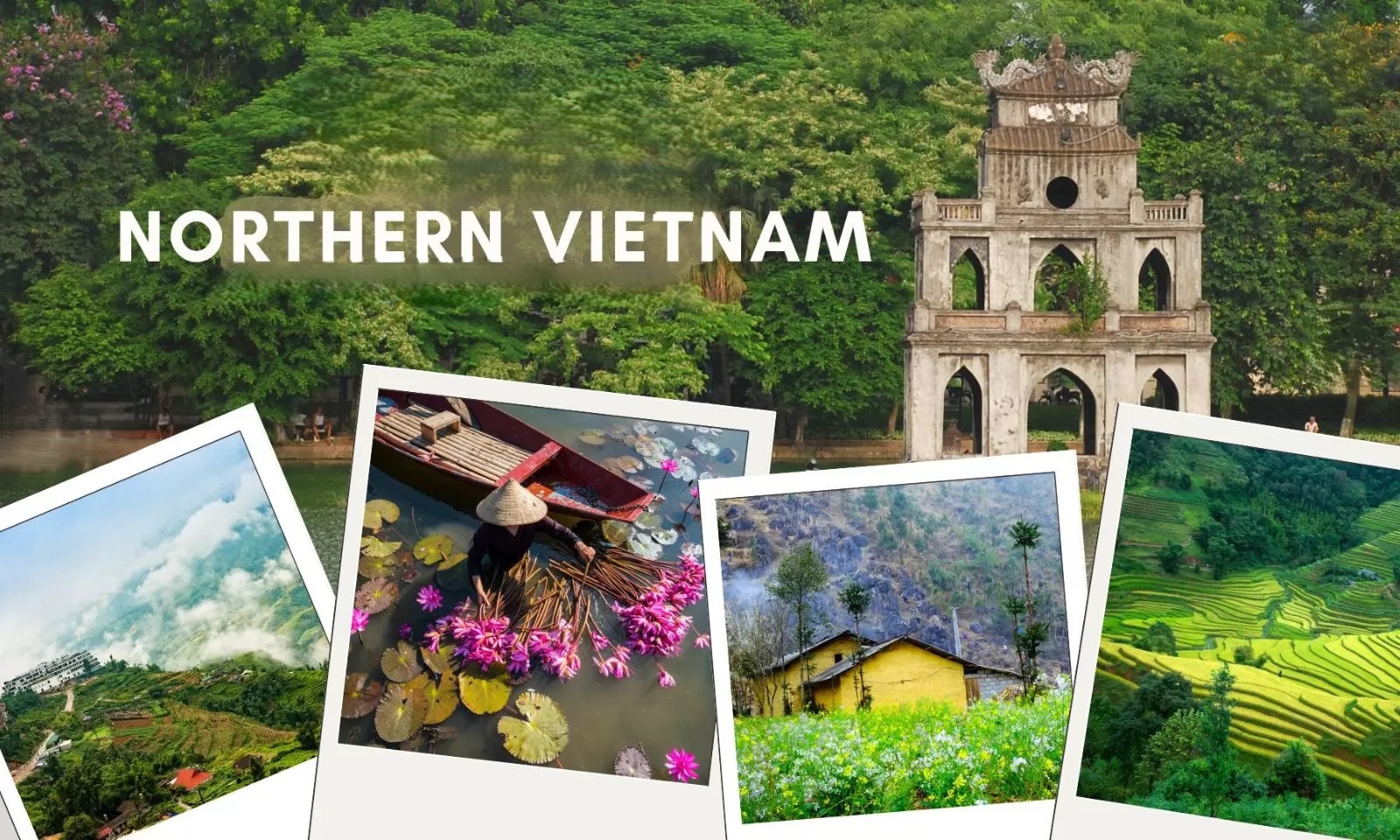
If you’ve ever dreamed of escaping the ordinary and steppingninto landscapes so breathtaking that they feel like paintings brought to life,nthe Northern Highlands of Vietnam are calling your name. Here, the air isncrisp, the mountains rise in dramatic silhouettes, and terraced fields cascadendown hillsides in intricate patterns that follow the rhythms of nature and thenhands of generations of farmers. It’s a place where adventure, culture, andnnatural beauty converge in ways that leave you inspired—and wanting more.
From towering peaks to vibrant valleys, from colorful ethnicnvillages to traditional festivals that celebrate harvests and community life,nthe Northern Highlands is an experience you’ll carry with you forever. Whethernyou’re an outdoor enthusiast, a photographer, or simply a traveler eager tonslow down and reconnect with nature, this region offers something rare—anpeaceful grandeur paired with heartfelt stories.
The Majesty of the Mountains
The Northern Highlands is home to some of Vietnam’s mostniconic mountains. Fansipan, often called “the Roof of Indochina,” standsntall at 3,143 meters, attracting hikers and thrill-seekers from around thenworld. Scaling its slopes is no easy feat, but the reward is panoramic viewsnthat stretch over rolling hills, deep valleys, and distant clouds that seem tonbrush against your face.
Beyond Fansipan, countless smaller but equally stunningnpeaks create an endless tapestry of jagged ridges and green-covered slopes. Thenmountains are blanketed in forests, where wildflowers bloom, streams tricklendown rocks, and the occasional glimpse of wildlife adds to the sense of wonder.nMists weave through the valleys, and when the sun rises or sets, the colors ofnthe landscape shift, offering photographers moments of pure magic.
The Poetry of Terraced Fields
No visit to the Northern Highlands is complete withoutnmarveling at the terraced fields that climb up mountainsides likenstaircases to the sky. These fields are a testament to human resilience andncreativity. For centuries, local ethnic communities have carved these fieldsninto the hillsides, creating patterns that follow the land’s natural curves.
In the planting season, vibrant green rice paddies stretchnas far as the eye can see, reflecting the sky and creating a sense of endlessnspace. During harvest time, golden rice sways gently in the breeze, giving thenfields a soft, shimmering glow that photographers dream of capturing.
Beyond their beauty, the terraces are a way of life. Farmersnwork tirelessly with hand tools and small irrigation channels, passingnknowledge from one generation to the next. Visiting these fields givesntravelers insight into the connection between people and the land—anrelationship built on harmony, patience, and deep respect.
Cultural Richness: Ethnic Communities and Traditions
The Northern Highlands is not just a landscape—it’s a livingncultural tapestry woven from dozens of ethnic groups, each with its ownnlanguage, attire, and traditions. Communities such as the Hmong, Dao, Tay,nand Giay enrich the region with festivals, crafts, music, and cuisine thatnreflect centuries of adaptation to mountain life.
Villages tucked away in valleys offer travelers a chance tonexperience local hospitality firsthand. Wooden homes with steep roofs perch onnstilts, and women dressed in embroidered garments with intricate patterns carrynbaskets or tend to gardens bursting with herbs and vegetables. Many familiesnwelcome visitors into their homes for traditional meals, featuring fresh,nlocally grown produce, herbs, and hand-prepared dishes.
Festivals like Lồng Tồng (the planting festival) or GầunTào (harvest celebrations) invite travelers to witness or participate innrituals that celebrate agriculture, community bonds, and the changing seasons.nMusic and dance performances often accompany these festivals, where drums andnflutes echo through the hills, and colorful costumes bring energy and joy tonthe gatherings.
Adventure Awaits: Trekking, Biking, and Exploring
For those seeking adventure, the Northern Highlands offersntrails that wind through forests, along rivers, and up to breathtakingnviewpoints. Guided treks allow you to discover hidden waterfalls, naturalnsprings, and secluded villages where time seems to stand still.
Biking enthusiasts can take on scenic routes that curvenalong mountain passes, where the only sounds are the wind and the occasionalnchatter of local markets. Whether you’re cycling past fields of mustard flowersnin bloom or winding through mist-laden forests, every turn reveals a newnperspective.
If you prefer to take things slower, nature walks throughnbotanical gardens, bird-watching tours, and river cruises provide a gentle yetnimmersive way to explore the region’s diverse ecosystems.
Food That Feeds the Soul
No journey through the Northern Highlands is completenwithout tasting its traditional cuisine. Mountain herbs, bamboo shoots, andnhand-grown vegetables form the base of many dishes. Meals are often hearty andnsimple, but every bite is rich in flavor and crafted with care.
Specialties such as thang co (a soup made with horsenmeat and herbs), banh cuon (steamed rice rolls), and grilled cornnwrapped in leaves highlight the region’s resourcefulness and respect fornlocal ingredients. Fresh fruits, such as persimmons and plums, add a touch ofnsweetness to meals.
Sharing food is more than nourishment—it’s a way to bond.nSitting around a wooden table with family or new friends, passing bowls of hotnsoup or picking vegetables fresh from the garden, travelers are welcomed asnpart of the community’s rhythm.
Best Time to Visit
The Northern Highlands is a destination that offersnsomething throughout the year, though each season paints the landscapendifferently:
- Springn (March to May): Cool and fresh, with blooming flowers like peach andn plum blossoms brightening the valleys.
- Summern (June to August): Lush and green, with terraces full of young ricen plants and clear skies ideal for trekking.
- Autumnn (September to November): Golden rice fields at harvest time, offeringn some of the most beautiful views of the year.
- Wintern (December to February): Cool, crisp mornings with fog drifting throughn valleys, and occasional snowfall in higher elevations.
Travelers should plan according to their interests—whethernit’s trekking in mild weather, photographing golden fields, or experiencingnfestivals during planting or harvest seasons.
Responsible Travel and Preservation
As more travelers discover the beauty of the NorthernnHighlands, it’s important to explore with respect. The region’s landscapes andncommunities thrive because of their connection to nature and tradition.nVisitors are encouraged to support local businesses, purchase handmade crafts,nand follow eco-friendly practices.
Avoid littering, respect local customs, and engage withncommunities in a way that celebrates their culture rather than disrupting it.nSustainable travel ensures that these majestic mountains and terraced fieldsncan be enjoyed by future generations.
A Journey That Stays With You
The Northern Highlands of Vietnam is more than andestination—it’s an experience that touches all the senses. From the thrill ofnsummiting mountain peaks to the quiet beauty of terraces bathed in sunlight,nfrom the laughter shared over a family meal to the melodies of ancient songsnechoing through the hills, this region offers memories that last long after thenjourney ends.
For those yearning to reconnect with nature, explore newncultures, and embrace adventure with open arms, the Northern Highlands invitesnyou to step into its world. It’s where the mountains touch the sky, the fieldsndance in harmony with the land, and every moment becomes part of a story worthntelling.

Comments
No comments yet. Be the first to share your thoughts!